


Knee arthritis is a degenerative dystrophic complex disease affecting the osteochondral portion of the knee joint.The disease most commonly affects the knee area of the lower limbs.Pathological changes in the cartilage and periarticular areas occur in most cases against the background of injuries, biological aging of the body and autoimmune diseases, severely inhibiting the musculoskeletal potential of the legs.The joints become stiff and lose stability, normal movement, and shock absorption.As a result, it gradually deforms and in the final stage fails completely.
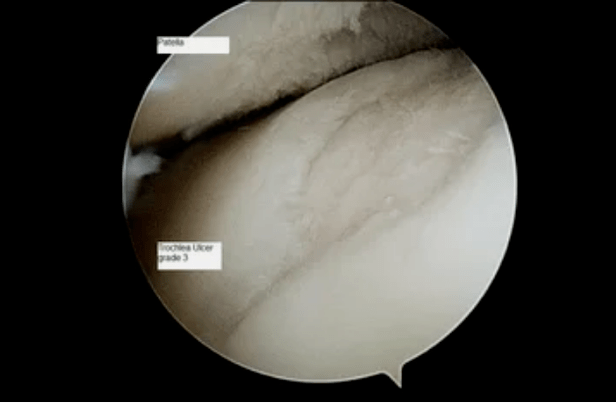
Degeneration of joint tissue manifests itself not only in physical dysfunction of the lower limbs, but also in severe pain in the lower limbs.In severe cases, the pathology can lead to disability and, in some cases, paralysis of the legs.With the prognosis so disappointing, it is important to recognize the disease as early as possible and begin treatment immediately.
Important information about this disease
Before studying treatment strategies, patients must familiarize themselves with the following material in order to fully understand the origin mechanisms and clinical manifestations of the pathology.Let us immediately note that arthrosis and arthritis are closely related, since the disease in question is the result of arthritic disease.But where does the unfortunate disease come from that ruthlessly destroys the most important bone connections?How serious is knee joint disease?By what manifestations can it be identified?
Causes of Arthropathy
The pathogenesis of degenerative dystrophy is “triggered” by the following predisposing factors:
- Previous injuries – tibia fractures, knee dislocations, meniscal body injuries, torn and ruptured ligaments, knee falls, various bruises;
- excessive physical activity;
- sedentary lifestyle;
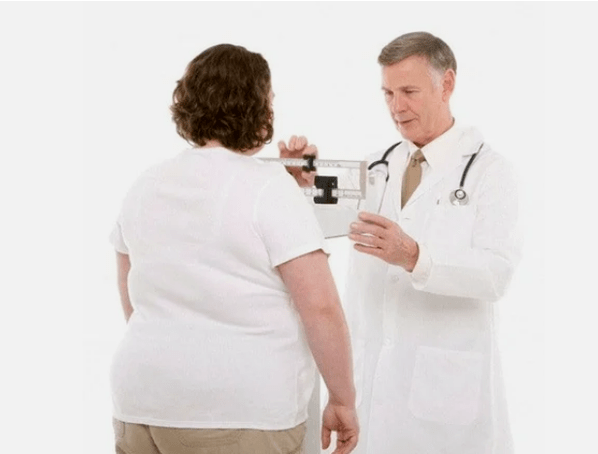
- high body mass index;
- Systemic pathology of rheumatoid, gout, psoriatic forms, and systemic lupus erythematosus;
- Hereditary weakness of the ligamentous musculature or congenital underdevelopment of structural elements of the joints;
- metabolic and blood flow disorders;
- hormonal imbalances, diabetes and other endocrine diseases;
- Past or chronic infectious and inflammatory diseases.
Many times, people themselves are responsible for the development of stubborn joint disease.Often, after an injury, they ignore contact with a specialist, preferring to use the first available pain reliever, homemade lotion, etc.A few years later, due to inadequate past treatment, they went to the doctor with knee joint disease that was, at best, of moderate severity.Here, it is not enough to apply physical prophylaxis and analgesic ointments as in the early course of the disease.You often have to take drastic action and use surgical tactics.
destruction stage
In orthopedics, the disease is divided into stages, upon which experts base their treatment plans.The extent, nature, localization and nature of origin of osteoarticular destruction of the knee joint can be determined by a variety of diagnostic measures, such as radiography, MRI, CT, ultrasound and various blood and urine tests of the patient.
It is impossible to talk about high-quality treatment without detailed information about the condition of the knee joint and the physical characteristics of the patient, as well as without visiting a doctor and receiving adequate treatment recommendations from him.Therefore, if you want to improve the quality of your life, do not neglect to visit an experienced specialist; only he can tell you whether you can survive with qualified conservative help or whether only surgical intervention will effectively solve your problem.
There are several stages of development of the pathology; according to Kellgren's classification, there are only four.All of these characterize the severity of morphological changes (presence of osteophytes, reduction in the volume of articular cartilage and its degree of thinning, narrowing of the joint space, etc.) and clinical signs (limitation of flexion/extension, weight-bearing indicators, nature and intensity of pain, etc.).
- first stage arthropathyThis is a disease that is still in its infancy.External symptoms are mild or absent, and the joint's consistency and shape are satisfactory.X-rays or MRIs show small marginal osteophytes along the edges of the articular surface, subtle subchondral bone sclerosis, and small bone cysts in the subarticular area.The joint space is usually normal or altered, but not significantly.
- When you are sicksecond degree, in addition to the above indicators, The osteosclerosis lesions are more obvious, and the narrowing of the joint space is clearly visible.Patients begin to experience stronger and more frequent pain while walking, going up and down stairs, and standing for long periods of time (sometimes at night).Becomes lame and less able to move the joint, especially when bending.
- The third stageIt is characterized by a dramatic progression of irreversible degradation and deformation.The structure of the joint is significantly distorted, the distance between the articular surfaces is significantly reduced, and bone growth in the form of spikes increases in size.The pain becomes persistent and noticeable, disturbing even at rest, and the limp becomes more severe.Dependence on support equipment and external help arises.
- Stage 4The pathogenesis of degenerative dystrophy is that when there is a large amount of osteophyte growth, the hyaline cartilage is completely destroyed, the joint space disappears or is almost invisible, and the epiphysis of the articular bone that forms the joint is severely deformed.The knee joint is considered a completely non-viable organ of the musculoskeletal system, and the person loses the ability to work.
Symptoms and complaints
The severity of clinical manifestations depends not only on pathomorphological features but also on individual factors.There is nothing pleasant about joint disease anyway.It's hard to bear in both Stage 2 and Stages 3-4.General symptoms include:
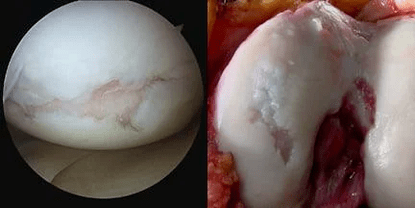
- Pain syndromes, mainly mechanical pain (dull, sore, sharp, sudden, periodic and persistent);
- Creaking sounds when moving;
- joint stiffness;
- Limited range of motion;
- Weakness of limb muscles;
- Overheating of the skin and swelling of the knee area;
- Changes in gait, manifested by lameness and wobbling of the legs;
- instability or drawer syndrome;
- The knee "seizes," which occurs when the movement of the bone joint is suddenly blocked.
Important!If the course of knee arthropathy is complex and conservative treatment is ineffective, the worst case scenario may have already occurred in the second stage of osteochondral degeneration.Surgery for severe knee arthropathy of degrees 2-3-4 is, without exception, the only method that helps to significantly improve the quality of life over a long period of time compared to traditional conservative treatments and alternatives.
Conservative treatment
Non-surgical treatment methods are suitable for the initial stages of deformed joints.Principles of non-surgical treatment include:
- Systematic implementation of exercise therapies developed by professionals for individuals;
- Perform physical therapy procedures;
- Use pain relievers in the form of ointments, tablets, injections, etc.;
- Proper nutrition and following a special diet prescribed by your doctor;
- Adhere to a special daily physical activity regime;
- Get rid of bad habits completely;
- Undoubtedly controlled by repeat diagnosis;
- An annual visit to a specialized health resort medical facility.
knee joint surgery
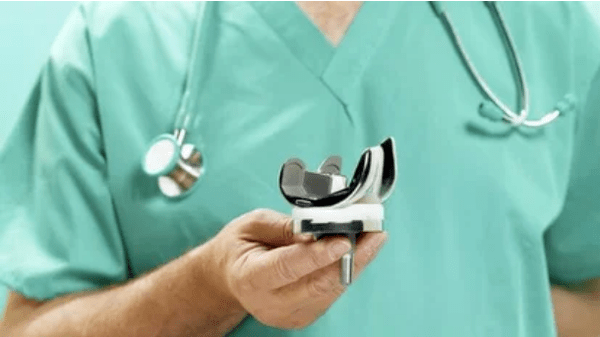
Now let's familiarize ourselves with the surgical approach, which is often necessary because in its early stages the pathology is often overlooked.Basically, we have to deal with a prevalent arthropathy that broadly affects joint structures and affects the periarticular material.
- endoprosthesis– Helps more than 95% of cases to completely restore the lost movement and support functions of the lower limb knee joints as much as possible.The surgery was not easy, and the recovery that followed was difficult, but the results were worth it.Approximately 3 months after the installation of an artificial replacement for the natural joint that had undergone irreversible pathological changes, the full range of motion of the leg was restored and the pain syndrome was completely eliminated.
- Arthrodesis– This is an uncommon “closing” joint procedure because of its erosive effect on biological structures, but it sometimes happens, for example, if a person does not have the opportunity to receive an implant.Its essence consists in removing the articular surface and firmly connecting the articular bones to each other using special fixation devices at favorable locations.The elements listed will blend naturally over time.Artificial ankylosis completely blocks joint mobility but allows your limb to gain good weight-bearing capabilities and relieve pain.
- knee osteotomy– Also used in extreme cases, for the same reasons as arthrodesis, especially when it is necessary to postpone endoprosthesis for several years.During the operation, the specialist performs an artificial fracture, files down the bones and places them at a more correct angle in order to favorably distribute the load on the cartilage elements.
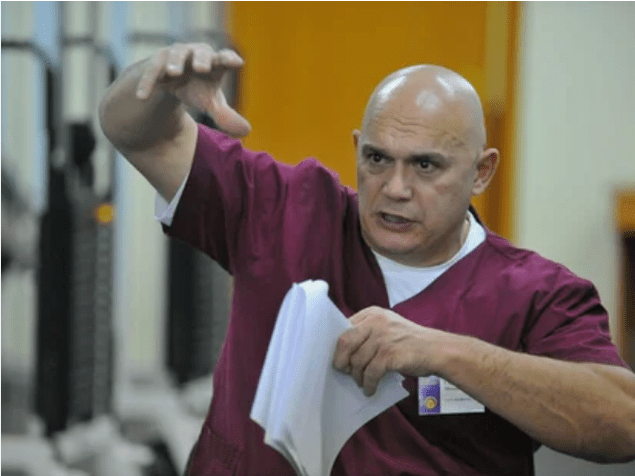
Irreversible pathogenesis cannot be corrected through physical exercise, you must understand this.Ointments and even medications from the cartilage-protective range, not to mention the gelatin treatment recommended by my grandmother, will not play a special role.The best they can do is prepare the musculoskeletal system for the upcoming surgery.
Modern knee implants can withstand normal daily stress and function perfectly for at least 15 years, and usually 20-25 years.A person may even be able to perform some sports with the replacement joint.
third stage treatment
In the third stage of arthrosis, surgery is performed.Changes in the joints are very noticeable; at this stage, the disease significantly reduces the patient's standard of living and performance.Osteochondral damage has reached a critical point where the tissue at the bone junction no longer has any functional significance.The transparent covering was almost completely destroyed.
- Vital cartilage does not repair itself, including through non-surgical methods.
- The exposed, flat surfaces of the interacting bone ends exert unnatural pressure on each other, constantly rubbing against each other, severely damaging nearby soft tissues, and becoming more deformed every day.
- Patients experience severe pain, not to mention losing the ability to walk normally.Patients experience pain every day, experience unpleasant sleep, and are unable to rest from the pain during the day.Only a few reported that the condition was relatively tolerable.
- Typically, anti-inflammatory and analgesic medications have a mild effect but do not work in most cases.There is no point in using chondroprotectants, since the small remnants of strengthening and nourishing the cartilage will not save the situation.
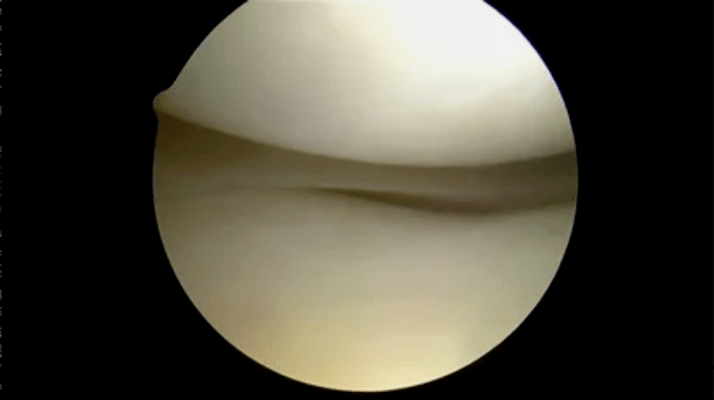
Sometimes they try to treat the consequences of grade 2-3 arthropathy with minimally invasive surgery (arthroscopy), during which marginal osteophytes are removed and torn osteochondral fragments are removed from the joint space.As the reviews attest, such procedures alleviate the patient's condition to some extent and slightly improve motor function, but only temporarily.Knee osteoarthritis is still active and will reappear in the near future.
The pathogenesis of 3-4 degrees is a very serious problem that can only be solved by more complex reconstructive and plastic surgical strategies.To date, there is no surgery comparable to endoprostheses.Replacing the knee joint with a prosthesis that completely replicates the mechanical characteristics, shape and size of the natural organ will make it possible to say goodbye to the unfortunate pathology and the disability it "confers" to you.
The disease progresses rapidly, progressing from moderate to stage IV within a few months.Surgery should be performed as early as possible before the degenerative process moves deeper into the bone.Severely damaged bone may make it difficult to place an endoprosthesis.
Many people do not fully realize that the severity of the degeneration that occurs is beyond the reach of conservative and unconventional strategies, and they find ways to bypass surgery, swallowing pills by the handful and applying ointments to painful areas.Some people turn to osteopaths, private doctors who practice a variety of alternative techniques.Unfortunately, you can't go against nature and healing won't follow, you need to accept that fact.Therefore, banish meaningless thoughts and proceed with caution.
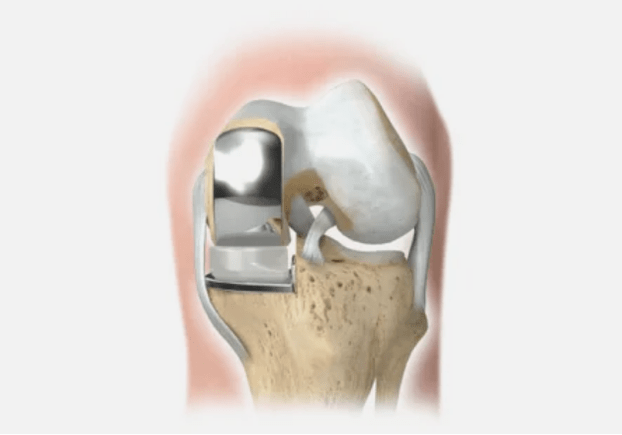
Your fitness depends entirely on your decision!You may continue to suffer from stiffness and pain for a lifetime, trying in vain "empty" treatments: medications and non-standard therapies with no evidence of effectiveness for the severity of your condition.Or, you can undergo surgical treatment and start living a full life free from past pain and support equipment.
There is no need to worry about surgical intervention; modern technology has taken a huge step forward and today knee joints are replaced abroad by long-lasting implants.With this implantation in a good clinic, the risk of complications is small (1-2%) and active function can be restored in more than 95% of cases.After joint replacement, there will be a 3-4 month rehabilitation course, including:
- Restore the body through special therapeutic exercises;
- taking medications (antibiotics, anti-thrombotic drugs, etc.);
- Physical therapy programs, including muscle stimulation, anti-inflammatory, analgesic, and wound healing procedures;
- Massage sessions (in later stages of recovery).
Good to know!In the first stage, disease can be stopped and prevented conservatively.If you do nothing and develop knee arthritis that moves it from stage one to stage two, medical treatment will be much more of a problem, but for certain categories of patients, non-surgical methods will still be appropriate.The last two phases are always one operation.
Treatment 2 degrees
In moderately severe knee joint disease, quality of life has deteriorated significantly.Knee soreness is more worrisome, with pain syndromes manifesting themselves more frequently and more intensely than at the beginning of the disease.The pain is especially noticeable when going up and down stairs after getting up in the morning.An unpleasant numbness often occurs after walking for long periods of time or standing in one position for long periods of time.Flexion in the knee area is reduced and the patient is unable to bend the leg as physiologically required.A person begins to protect his limb, trying not to step on it, and this is why the muscles gradually atrophy.
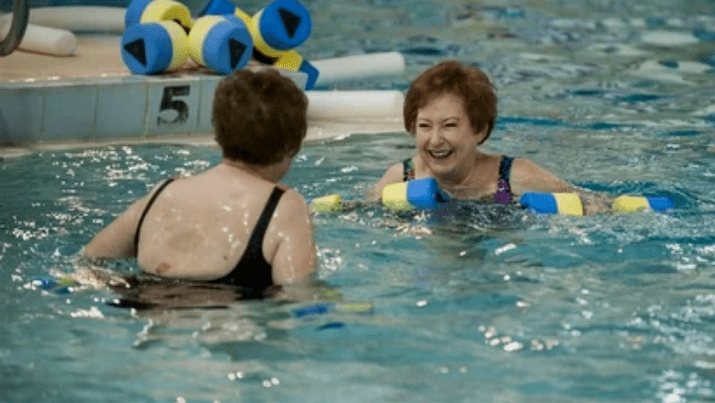
We emphasize that treatment must use a qualified, comprehensive approach.
- If the doctor determines that surgery is not urgent, priority will be given to offloading the problem area.If you are overweight, it is important to follow the diet recommended by your doctor to regulate your weight in order to ensure good relief for joints affected by arthropathy.
- All patients must use special orthopedic devices when moving.Depending on the existing problem, this may include knee braces, compression garments, elastic bandages, canes, crutches or walkers.
- In addition, the orthopedic traumatologist will prescribe a unique set of exercises that will help strengthen and improve the endurance of the affected limb muscles.
- In addition, arthropathy with moderate to moderate manifestations involves the use of drugs containing substances present in the cartilage tissue of the knee.These include chondroitin sulfate-based formulations, hyaluronic acid injections, and glucosamine formulations.They don't restore cartilage, but they fill it with nutrients that can relieve disease.
- Physical therapy is also recommended, but should only be used after all signs of inflammation have resolved.Physical therapy, such as laser, magnet, or ultrasound, should be performed within a medical facility.As a result of physical therapy, the nutrition and metabolism of bone, muscle and cartilage tissues improve.If you have purchased a vibroacoustic device for home use, first ask a specialist about the possibility of using it for diagnosis and the operating functions of the device.
We review the basic principles of official treatment of arthropathy, consistent with orthopedic standards.Because many people suffer from stage 2 osteoarthritis.Being very interested in alternative methods in which to seek salvation, we recommend that you familiarize yourself with the most popular of them.Let’s see if they are as unique as they appear on the internet.
Stem cells for knee joint treatment
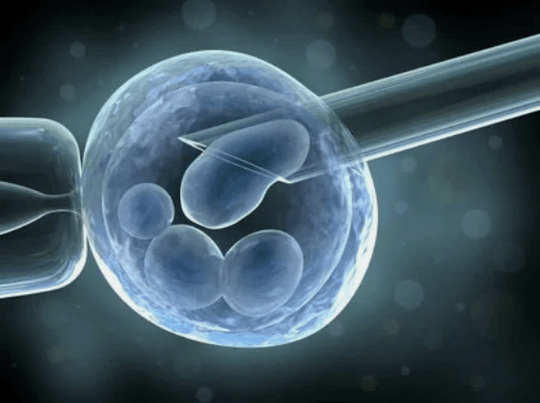
We will discuss the autologous transplantation of mesenchymal stem cells, harvested from the crest of the pelvis or femur, into patients with knee arthropathy.According to interested sources, the cell therapy will allow for virtually self-renewal of the entire joint by activating regenerative self-repair processes at the damaged site.Thanks to this technology, improvements in the osteochondral organ building blocks can theoretically be achieved.In reality, however, there is no "in vivo" radiological evidence that joints become healthy after stem cells are introduced into the affected area.
The positive effect of stem cells on joints and bones has not yet been proven and is highly questionable because this technology is not yet recognized in the orthopedic field.Scientists are just studying and experimenting with it.Additionally, there is information that stem cells have unsafe effects on the human body and, according to highly qualified experts, stem cells may cause cancer.What about those who paid for the surgery and were happy with the results?We can only say one thing here: many patients will believe in immortality for that little money, but don’t forget that the placebo effect does not last long.
Mud treatment
Therapeutic mud springs contain unique ingredients (magnesium, chromium, iodine, bromine, calcium nitrate, etc.) that help reduce pain symptoms, increase blood flow to affected areas, and stimulate metabolism.They are most valuable for people with milder conditions or those who have already had leg surgery.Level 2 mud therapy is also allowed if the physician considers that natural therapies combined with the main treatment regimen will reduce the invasion of pathological phenomena (stop progression) and improve the overall clinical condition.Mud therapy is performed in specialized health resort-type medical facilities.Natural healing mud based on colloids is used in application form and in combination with electroplating methods (electrophoresis).
Gelatin uses

Natural gelatin is a safe product that helps maintain joint structures in good condition.It is recommended to dilute the jelly-like base with water and take it internally.According to reviews by some doctors, gelatin has a faster and more effective effect on bone, cartilage and muscle ligament components.Experts emphasize that this method has no medicinal value and only helps prevent joint disease.Therefore, gelatin treatment in the absence of pathology or at the earliest stages can only be considered a measure to prevent the appearance or progression of degenerative dystrophic changes, when the pathogenesis has been established.This approach is not effective when the disease is moderate or severe.
Ayurvedic treatment for joints
Modern alternative medicine is known for many extraordinary trends, including Ayurvedic treatments for various parts of the musculoskeletal system.According to this unofficial theory, joint damage is related to excess toxins that accumulate in the body due to energy disharmony.The main destructive mechanism of energy (Vata) balance disorder is the weakening of Agni or digestive fire, which leads to the accumulation of undigested food residues (Ama) in the intestines.They secrete toxins, which are transported through the blood to the joints, where harmful substances are deposited and inhibit metabolic processes.
According to Ayurveda, there are several types of osteoarthritis, and each type has its own system of treatment. The basis of each treatment is diet, herbs, taking Ayurvedic tablets and powders, yoga and breathing exercises, unconventional massages, self-healing exercises, etc.Of course, this all sounds tempting, but how can you trust herbal will powders, mind healing and other Ayurvedic treatments if the joints cannot be reversed even through the high tech of science?Cure irreversible deformities?!
Salt compress
Salt is used to prepare a saturated saline solution that is used to impregnate the dressing, which is then applied to the sore area for several hours.This therapy should not be considered a stand-alone treatment, nor should it be considered a panacea for knee joint disease.Salt can temporarily relieve pain and relieve swelling of the soft tissue covering the bone structure without causing damage to biological structures.But this does not cure the disease, nor does it allow the patient to get back on his or her feet!Its effects are purely symptomatic.The solution was prepared by adding 100 grams of salt per 1 liter of room temperature water.
Worth a look!Sometimes dry, heated salt is used, placed in a bag and applied local heat to the knee.Sometimes as a moist but hot dressing.If purulent inflammation is present within the joint cavity, thermal procedures are dangerous; they will only exacerbate clinical symptoms.Therefore, do not use such recipes without being sure whether the lesions are accompanied by a similar process.